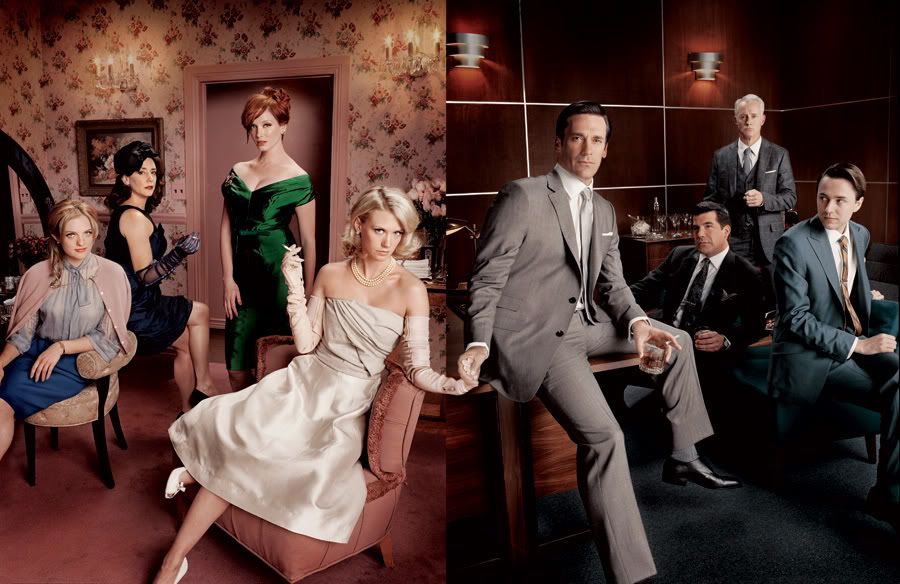
Why was TV so bad that now its good again? Well lots! The way people view TV (DVRs, DVDs, computers, iPads, etc.) when they view it, and where they view it (no longer do people have to choose one channel over another, a show over another show playing in the same time slot).

Structural changes continue to press down network ratings which has caused only a few shows to have the ability to be considered true mass i.e. American Idol. But even this massively popular show isn't immune (its down 20% in viewership since its peak in 2006). Networks can no longer reach or have the need to reach 15 million people in order to be successful, because like every piece of media right now TV shows are highly fragmented. They are seeing much more success with smaller audiences then they are trying to reach every one. Sounds exactly whats been happening in the advertising industry. When you try to target everyone you actually reach no one.

If they have lowered expectations in ratings and I'm guessing financially given the economy has given way to much more freedom creatively. With a small audience to reach and not a lot of money networks are willing to try more. On the flip side you have cable networks showing signs of rising ratings (for cable networks) and you see more and more of them green lighting pretty intense programming. Hello, AMC's Mad Men and FX's Nip/Tuck.

If we look at the movie industry you realize that the indie film boom of the 90's has fallen to the wayside as multi-billion, special FX, 3-D blockbusters make it nearly impossible to finance smaller films. That leaves the talent looking towards TV. Prime example, J.J. Abrahms who began in films, Armageddon being his first big hit, moved to TV and "found his voice, where he learned that complex, dense-pack narrative attracted rather than repelled audiences." Alias, Lost and his "humanized re-imagining of Star Trek " show this.
"Helped by the declining cost of production, TV right now is mass enough to be commercially viable and narrow enough to allow show creators " freedom. Advertisers will pay top $$ to be on cult hits like Colbert or The Daily Show. "As more and more networks get into the business of buying original TV ideas, the power has shifted to the creatives. Increasingly sophisticated audiences for 'alternative TV' have created virtuous cycles that make independent producers more and more interested in taking chances on edgy or obscure material."

Bottom line: TV execs are finally giving people the respect we should be giving. No more dumbed down, sugary shows that insult our intelligence.

Even babies are along the same line of thought. Take Sesame Worskshop, they implemented format and visual changes this year to keep up with the viewing habits of their target. It showed a double-digit increase among its 3 and 4 yr. olds. They just reported a 60% year-over-year ratings increase for February.
It goes to show that when you listen, it pays off royally.


Just now reading this, but thanks for using my wallpaper for Yo Gabba Gabba (though I find it interesting that YGG! has a sizable viewer share with that elusive 18-29 male target.)
ReplyDelete