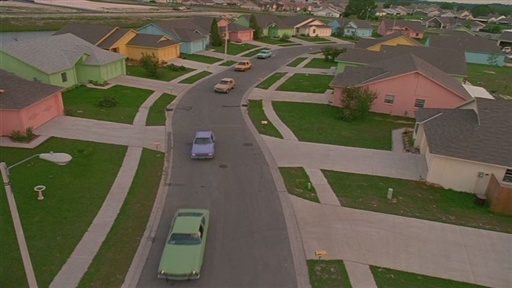
This relates back to the post I wrote about the fast changing dynamics of American families and society in general. What I learned wasn't a shocker personally but it is to the clients that still have a myopic view of the world.
So what's going on with suburbs? In a reversal, America's suburbs are now more likely to be home to minorities, the poor and a rapidly growing older population as many younger, educated whites move to cities for jobs and shorter commutes. The analysis provides the freshest detail on the nation's growing race and age divide.
Suburbs still tilt white. But, for the first time, a majority of all racial and ethnic groups in large metro areas live outside the city. Suburban Asians and Hispanics already had topped 50 percent in 2000, and blacks joined them by 2008, rising from 43 percent in those eight years.
The suburbs now have the largest poor population in the country. They are home to the vast majority of baby boomers age 55 to 64, a fast-growing group that will strain social services after the first wave of boomers turns 65 next year.
"A new image of urban America is in the making," said William H. Frey, a demographer at Brookings who co-wrote the report. "What used to be white flight to the suburbs is turning into 'bright flight' to cities that have become magnets for aspiring young adults who see access to knowledge-based jobs, public transportation and a new city ambiance as an attraction."


No comments:
Post a Comment