I LOVE TV...I mean really LOVE TV. I rearrange appointments, fake sickness to skip out on friend's birthdays and rate friends by the size of their TV. Imagine my excitement, when these past few years have been the best in many, many, many years. Thank goodness for the invention of TiVo otherwise it'd have to wait until all shows were on DVD to watch. Soo what has happened?
Why was TV so bad that now its good again? Well lots! The way people view TV (DVRs, DVDs, computers, iPads, etc.) when they view it, and where they view it (no longer do people have to choose one channel over another, a show over another show playing in the same time slot).
Structural changes continue to press down network ratings which has caused only a few shows to have the ability to be considered true mass i.e. American Idol. But even this massively popular show isn't immune (its down 20% in viewership since its peak in 2006). Networks can no longer reach or have the need to reach 15 million people in order to be successful, because like every piece of media right now TV shows are highly fragmented. They are seeing much more success with smaller audiences then they are trying to reach every one. Sounds exactly whats been happening in the advertising industry. When you try to target everyone you actually reach no one.
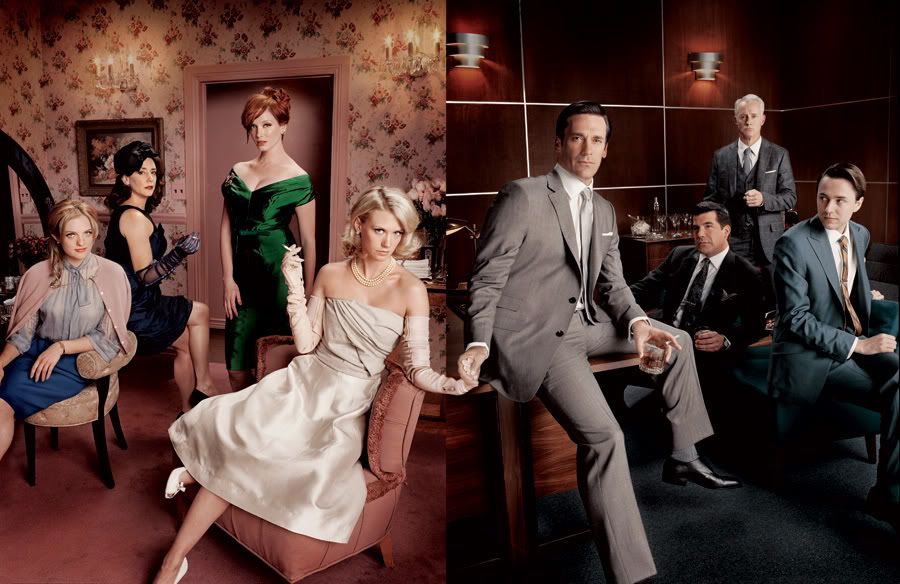
If they have lowered expectations in ratings and I'm guessing financially given the economy has given way to much more freedom creatively. With a small audience to reach and not a lot of money networks are willing to try more. On the flip side you have cable networks showing signs of rising ratings (for cable networks) and you see more and more of them green lighting pretty intense programming. Hello, AMC's Mad Men and FX's Nip/Tuck.
If we look at the movie industry you realize that the indie film boom of the 90's has fallen to the wayside as multi-billion, special FX, 3-D blockbusters make it nearly impossible to finance smaller films. That leaves the talent looking towards TV. Prime example, J.J. Abrahms who began in films, Armageddon being his first big hit, moved to TV and "found his voice, where he learned that complex, dense-pack narrative attracted rather than repelled audiences." Alias, Lost and his "humanized re-imagining of Star Trek " show this.
"Helped by the declining cost of production, TV right now is mass enough to be commercially viable and narrow enough to allow show creators " freedom. Advertisers will pay top $$ to be on cult hits like Colbert or The Daily Show. "As more and more networks get into the business of buying original TV ideas, the power has shifted to the creatives. Increasingly sophisticated audiences for 'alternative TV' have created virtuous cycles that make independent producers more and more interested in taking chances on edgy or obscure material."
Bottom line: TV execs are finally giving people the respect we should be giving. No more dumbed down, sugary shows that insult our intelligence.
Even babies are along the same line of thought. Take Sesame Worskshop, they implemented format and visual changes this year to keep up with the viewing habits of their target. It showed a double-digit increase among its 3 and 4 yr. olds. They just reported a 60% year-over-year ratings increase for February.
It goes to show that when you listen, it pays off royally.
Thursday, May 27, 2010
Wednesday, May 19, 2010
The Suburbs Aren't What They Used to Be
This relates back to the post I wrote about the fast changing dynamics of American families and society in general. What I learned wasn't a shocker personally but it is to the clients that still have a myopic view of the world.
So what's going on with suburbs? In a reversal, America's suburbs are now more likely to be home to minorities, the poor and a rapidly growing older population as many younger, educated whites move to cities for jobs and shorter commutes. The analysis provides the freshest detail on the nation's growing race and age divide.
Suburbs still tilt white. But, for the first time, a majority of all racial and ethnic groups in large metro areas live outside the city. Suburban Asians and Hispanics already had topped 50 percent in 2000, and blacks joined them by 2008, rising from 43 percent in those eight years.
The suburbs now have the largest poor population in the country. They are home to the vast majority of baby boomers age 55 to 64, a fast-growing group that will strain social services after the first wave of boomers turns 65 next year.
"A new image of urban America is in the making," said William H. Frey, a demographer at Brookings who co-wrote the report. "What used to be white flight to the suburbs is turning into 'bright flight' to cities that have become magnets for aspiring young adults who see access to knowledge-based jobs, public transportation and a new city ambiance as an attraction."
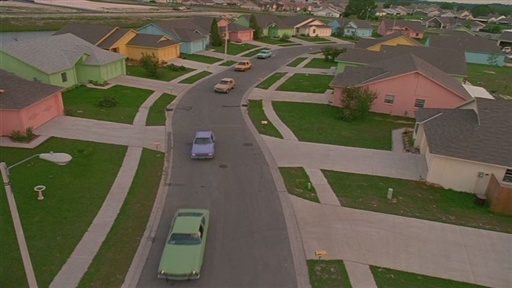
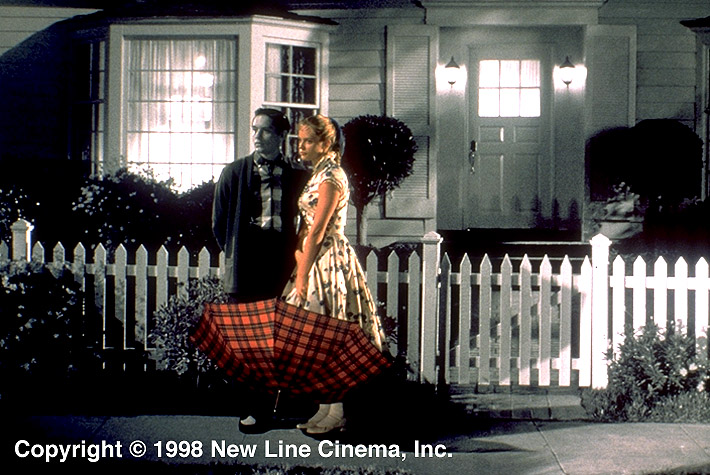
The idealistic image of suburbia is painted well in the movie Pleasantville, affluent families complete with homemaker moms, 2 rambunctious but good kids and a dog with the occasional cranky old man or spooky home (which tended to be the least take care of home) thrown in for good measure. Now suburbia is filled with minorities that house some of the poorest people in our nation. If living in suburbia isn't the American dream anymore, what is?
Friday, May 7, 2010
Nike, Part Deux
Second time I'm talking about Nike and I'm not really a hard core fan, in the sense that I don't avidly await their commercials, have Google alerts or continuously buy their product a la lululemon. Yet they continually surprise me and never disappoint with the things they do. For example, the ingenious partnership with Apple, the Lance Armstrong Live Strong Campaign, their awesome, on point and on brand commercials. I recently stumbled upon this Nike musical shoes commercial from Japan and it blew my mind. From an agency perspective, for a client to set aside a budget for the time to engineer such a task, hire the right talent, given them the liberty to do what they want doesn't happen ever. From a consumer perspective, it continues to reinforce why Nike has attained to be the most recognized, loved, respected and just plain cool brand for so long.
Congrats Nike on another awesome hit. I hope the legacy never dies.
Subscribe to:
Comments (Atom)